

SNOW AND WIND LOAD
By Finest-Hall
Table of Contents
When designing buildings, external factors such as fluctuating snow and wind loads must be considered. Accurately assessing these variables is essential to ensure the building’s safety, integrity, and compliance with local codes.
Failure to comply with the requirements can cause severe structural damage, jeopardising lives and property and, in extreme cases, resulting in collapse.
Accurate calculations also help prevent expensive repairs and minimise ongoing maintenance needs.
SNOW LOAD
What is snow load?
Snow load refers to the accumulation of snow on roofs and other building surfaces. It is an important factor to consider when designing buildings, especially in areas with significant winter snowfall. Snow load is usually measured in kilonewtons per square meter (kN/m²).
Several factors influence snow load:
- Ground snow load: determined by site altitude; higher elevations generally result in greater snow accumulation.
- Snowfall intensity and duration: Prolonged accumulation increases load.
- Snow density: Wet, heavy snow adds more weight than light, fluffy snow.
- Wind and accumulation: Wind can create deep accumulations in certain areas, increasing local loads.
- Roof design and slope: Flat roofs trap more snow than pitched roofs.

Snow load-compliant structure/PVC hall
A snow-load-compliant structure is designed to withstand the expected snow load at its location.
For PVC halls, this includes the following:
- Reinforced frame: The steel frame must use profiles strong enough to bear snow weight and prevent distortion.
- Correct roof angle: The roof slope must be sufficient to prevent snow from accumulating excessively and sliding off.
- Strong connections and fastenings: All joints and fastenings must be robust to maintain hall stability under snow load.
WIND LOAD
What does wind load and wind-resistant design mean?
Wind load is the force exerted on buildings and other structures by wind. It is a critical consideration in building design, especially in regions prone to strong winds or storms. Wind load is typically measured in kilonewtons per square meter (kN/m²).
Several factors affect wind load:
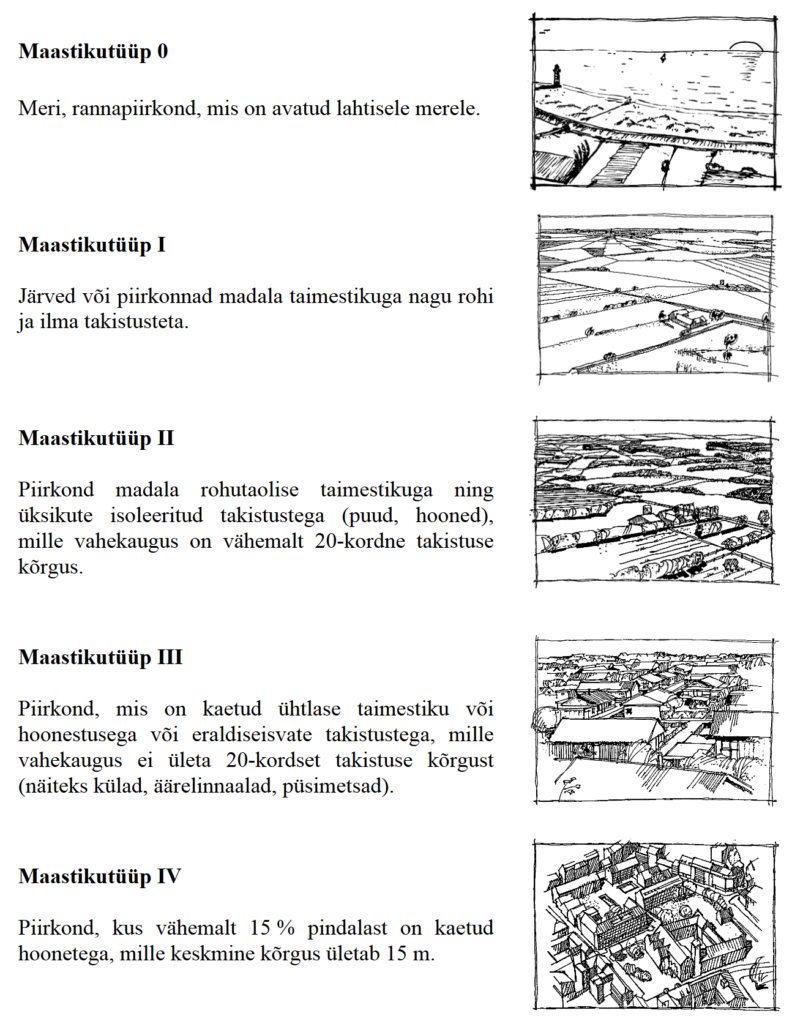
- Terrain type: Wind exposure depends on site location; coastal sites experience stronger winds than densely built areas.
- Building height: the higher the building, the greater the wind load on its ridge.
- Roof type and slope: Flat roofs are more affected by wind than pitched roofs.
- Proximity to other buildings: Nearby structures can cause turbulence and wind channels.
- Wind direction: Varying surface areas of building sides and ends affect wind load values.
Wind-resistant PVC hall
Wind-resistant construction means the PVC hall is designed and built to withstand the expected wind load in its location.
For PVC halls, this also includes the following:
- Aerodynamic design: The shape of the PVC hall should be such as to minimise the effect of the wind and reduce pressure.
- Reinforced steel frame: The frame must provide sufficient strength to stabilise the hall during strong winds.
- Durable connections and fastenings: The PVC hall must be securely anchored to the ground and between sections to prevent overturning or displacement.pinna külge ja sektsioonid omavahel, et vältida hoone ümberpaiskumist või lendumist nii tervenisti kui sektsiooniti.
Do snow and wind loads vary by location?
Yes, snow and wind loads differ greatly by location. Both loads depend on local climate and geography, so their impacts vary significantly.
Snow and wind loads are crucial considerations in the design and construction of buildings and PVC halls. Structures built to resist snow loads must be robust and stable to withstand the stresses caused by snow accumulation.
Structures designed to withstand wind loads must be streamlined and firmly anchored to resist wind pressure and pull.
For both load types, it is essential to comply with local building codes and standards to maintain building safety and durability. Snow and wind loads differ widely by region, influencing building design and construction. Building codes address local conditions, promoting safety and durability in particular climates. Thus, understanding and adhering to local regulations and practices is crucial for structural longevity and safety.
Examples of differences in snow and wind loads:
- Norway vs Italy: In Norway, winters are cold and snowy, so buildings must be designed to withstand heavy snow loads. In Italy, especially in the south, snowfall is less frequent or almost non-existent and less intense, so snow loads are lower or non-existent.
- The Netherlands vs Estonia: In the Netherlands, which is located on a low plain, open to the sea and has less than 10% of its total land area covered by forests, wind loads are higher. Estonia, which is also low-lying and open to the sea, but covered by more than 50% of forests, has lower wind loads.
© 2023 Finest Hall. All rights reserved.